

Smart Home Automation
A smart home lets you control security, temperature, lighting, home cinema or music remotely, even when you’re away.





What is Smart Home
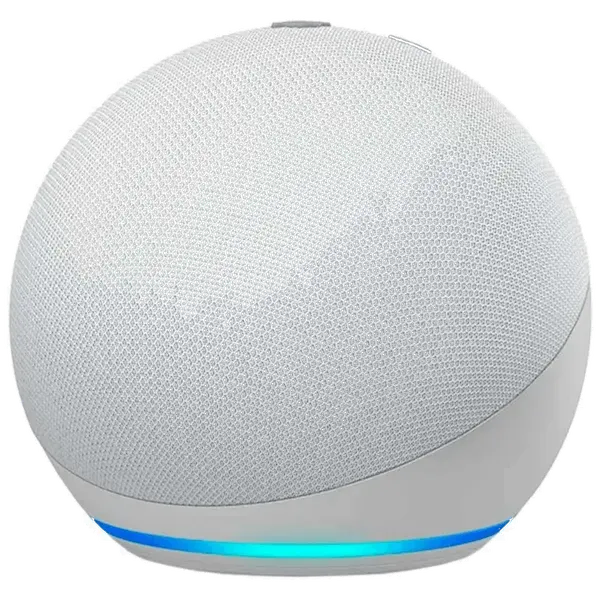
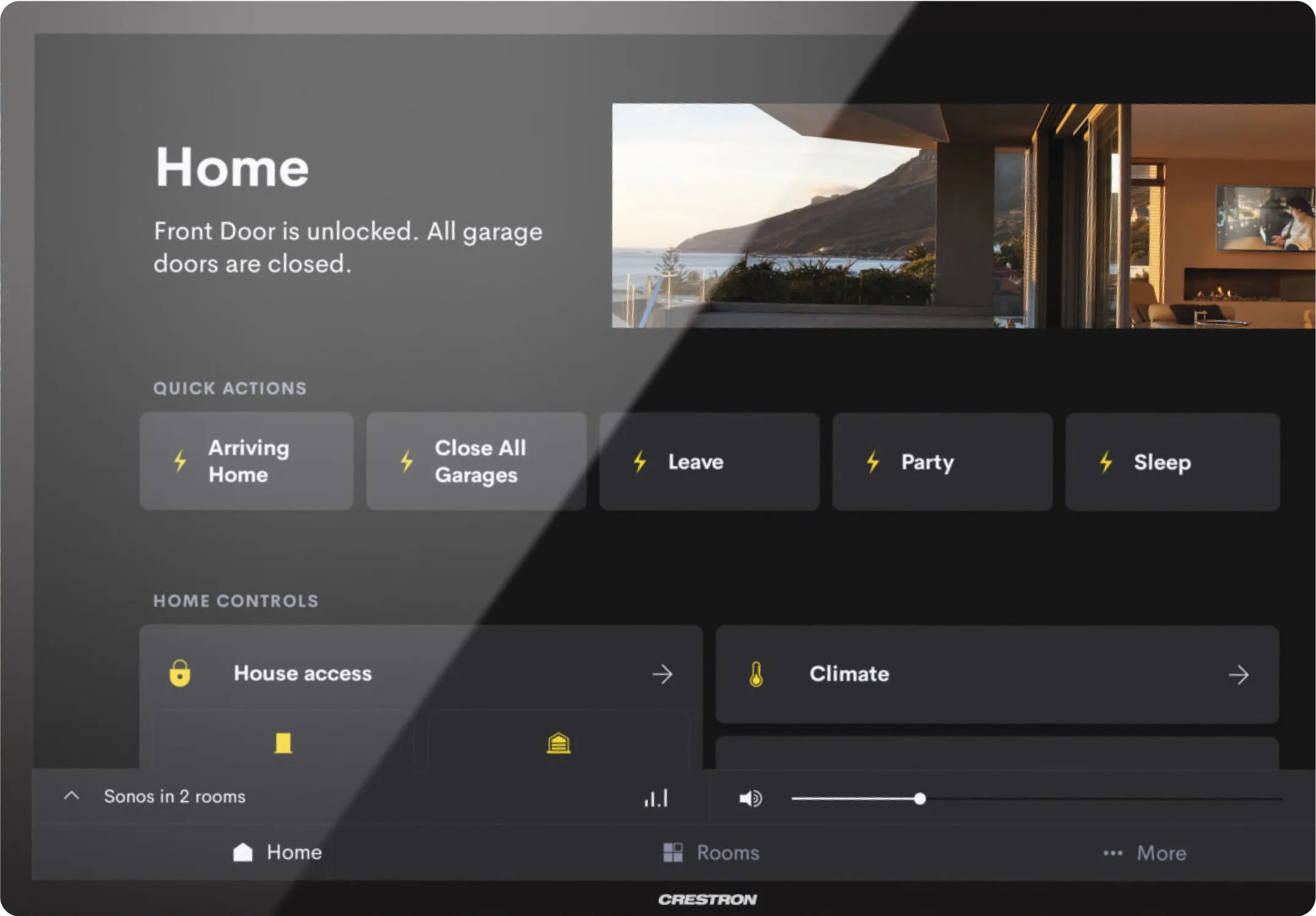
Smart Home is a new generation automated electrical system that connects all appliances and devices in the home, simultaneously allowing control from local and remote access via wall controllers, smart switches, remotes and thermostats, phone or tablet.

Control app
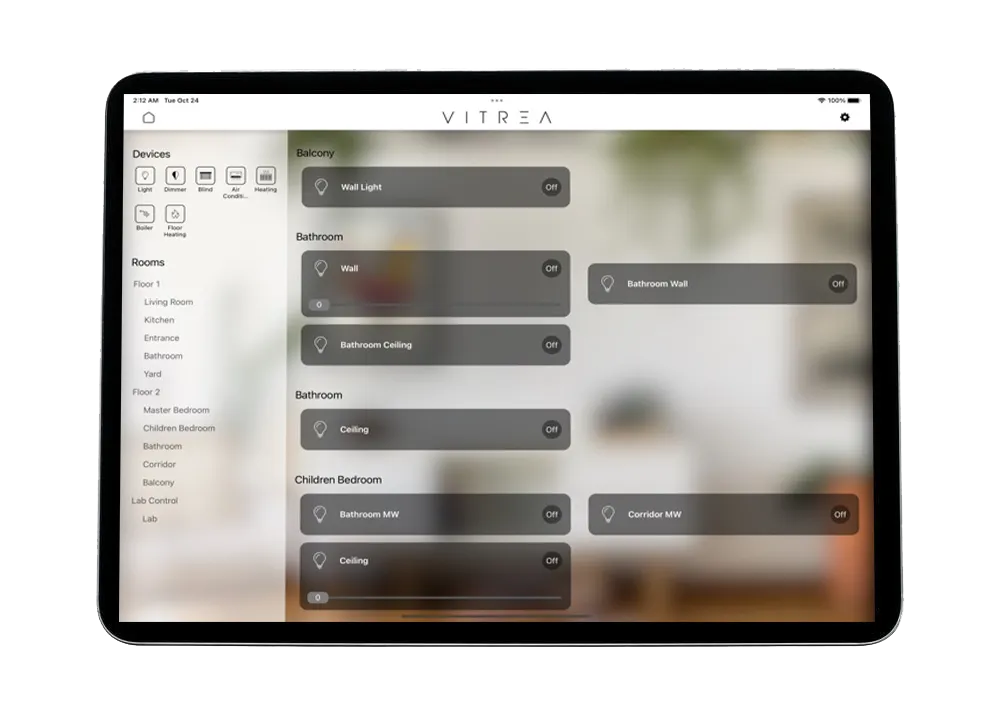
All devices can be accessed remotely through an application, allowing individual control, as well as the creation of groups or so-called scenes that group and manage together different devices connected to the Smart Home.

The benefits of a smart home
Convenience. Comfort. Modern and technological design.
Energy efficiency. Security at the next level.
Comfort and convenience
The smart home is designed to serve the user, saving time by automating routine tasks. Remote control and monitoring from anywhere in the world. Personalization according to the preferences and needs of each user by creating preset scenes and schedules, such as: Cinema, Dinner, Romance, Vacation, Welcome, etc. Over time, the system has the ability to get better and better. Through new software or hardware updates, the functionality and capabilities of the smart home increase, allowing it to get better over time.

Keep up with the times and technology
Another advantage of the smart system is the innovation factor. The smart system is becoming increasingly popular among new homes and this ensures that for the next 10-15 years your home will be part of the homes of the future and will continue to impress. And the upgrade itself after that becomes easy and simple without renovation.

Lower costs
A smart home helps you take control of your home and save on your electricity, gas and water bills. Controlling heating and cooling, shading and lighting in a home can reduce home bills by up to 30-40%.

Types of smart systems
When it comes to smart home automation systems, there are two main types: wireless and wired. Each of them has different advantages and disadvantages.

Wireless system
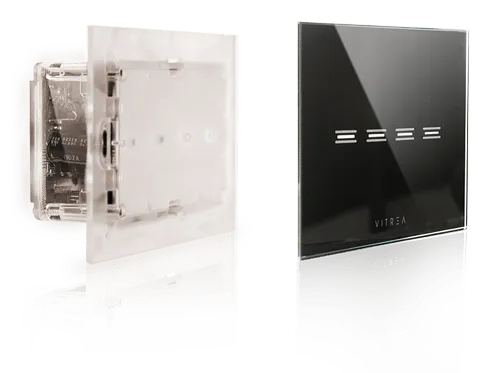
The wireless system is ideal for smaller homes, shops, offices or museums. It is often used in finished and furnished housing and properties, due to the fact that there is no wiring and additional building work.
Wireless smart devices can communicate in several ways depending on the choice of system: Radio signal or Wi-Fi.
The most secure connection is by radio signal, since it is independent of the Internet at the local level and even if you do not have internet at home, you will be able to control all your devices locally, since they communicate with each other on the standardized European frequency for Smart Home.

No renovation
Quick and easy installation
Perfect for finished homes
More affordable price

Limited functionality
Not suitable for larger projects
Smaller selection of designer controllers and customization
Less reliable connection than a wired system


Wired system
The cable system is the most reliable and secure way to build a smart home. It is suitable for any type of size object, requiring preliminary design and wiring. The system has an unlimited number of capabilities and components, each of which can be programmed individually, according to the needs of the customer.
Communication between the different components is transmitted by cable, thus each individual component can be controlled individually or participate together with other components for different scenes or groups.
Most often it is used for new apartments and houses that are under construction, as well as for larger properties, such as residential buildings, complexes, hotels, gyms, stadiums, etc.
A more secure and reliable connection
Unlimited functionality
Suitable for all types of projects
Full range of design controllers and customization
Not suitable for finished homes
Need for pre-design and wiring
Replacement of electrical installation
Slower installation
Building a smart system?
The construction consists of several steps. Specification of the scope, control and budget of the system. Design and wiring of the electrical system. Installation and mounting of all controllers and devices. Programming and settings of the entire system. We strongly recommend that before starting your project you consult with specialists in the field to avoid unnecessary and additional costs of construction repair work.
System specification and selection
Designing
Installation
Programming

Frequently asked questions
Some frequently asked questions about smart home systems.
Will I be able to control my home if my internet goes down?
Yes. Your home is controlled locally by the wall controllers, which don't need an internet connection. If the internet goes down, the only thing that stops working is control through the phone app.
How much does it cost?
Much depends on the size, complexity of the project, as well as the system you are going to use. We always consult with our customers to find out more about their needs and offer the most optimal solution for them.
What can I automate?
Almost anything with a power supply: lighting, heating and cooling, blinds and curtains, garage doors, irrigation, pool and jacuzzi, audio and video, video surveillance, access control and alarm systems. Nothing is impossible for us to automate – if you have a specific idea, we’ll find a solution.
Can I control my home from my office or from the mountain?
Of course. We always provide remote as well as local access to the system so that you can have full control of your home at all times, no matter where you are, even abroad.
Can someone break into the system and control my home?
The smart system is a centralized system of closed type, from which all devices are managed through a closed protocol and does not allow access by third parties, while the entire volume of data is encrypted. The software through which the system is set up has a 16 bit password and is provided only by our licensed representative.
Is a wired or wireless system more suitable for me?
Wireless is more suitable for smaller properties or homes that are completed. The wiring system is more suitable for sites under construction, the wiring is carried out already in the process of construction in order to avoid repair work in the future.
Request a free consultation
Take the first step towards a smarter home. Request your free consultation today.
